
SpaceStacker is a 3D load planning engine. Give it your items and your space, and it finds the most efficient arrangement, automatically: think Tetris, but with real physics. Fewer half-empty trucks, fewer wasted containers, lower cost per shipment.
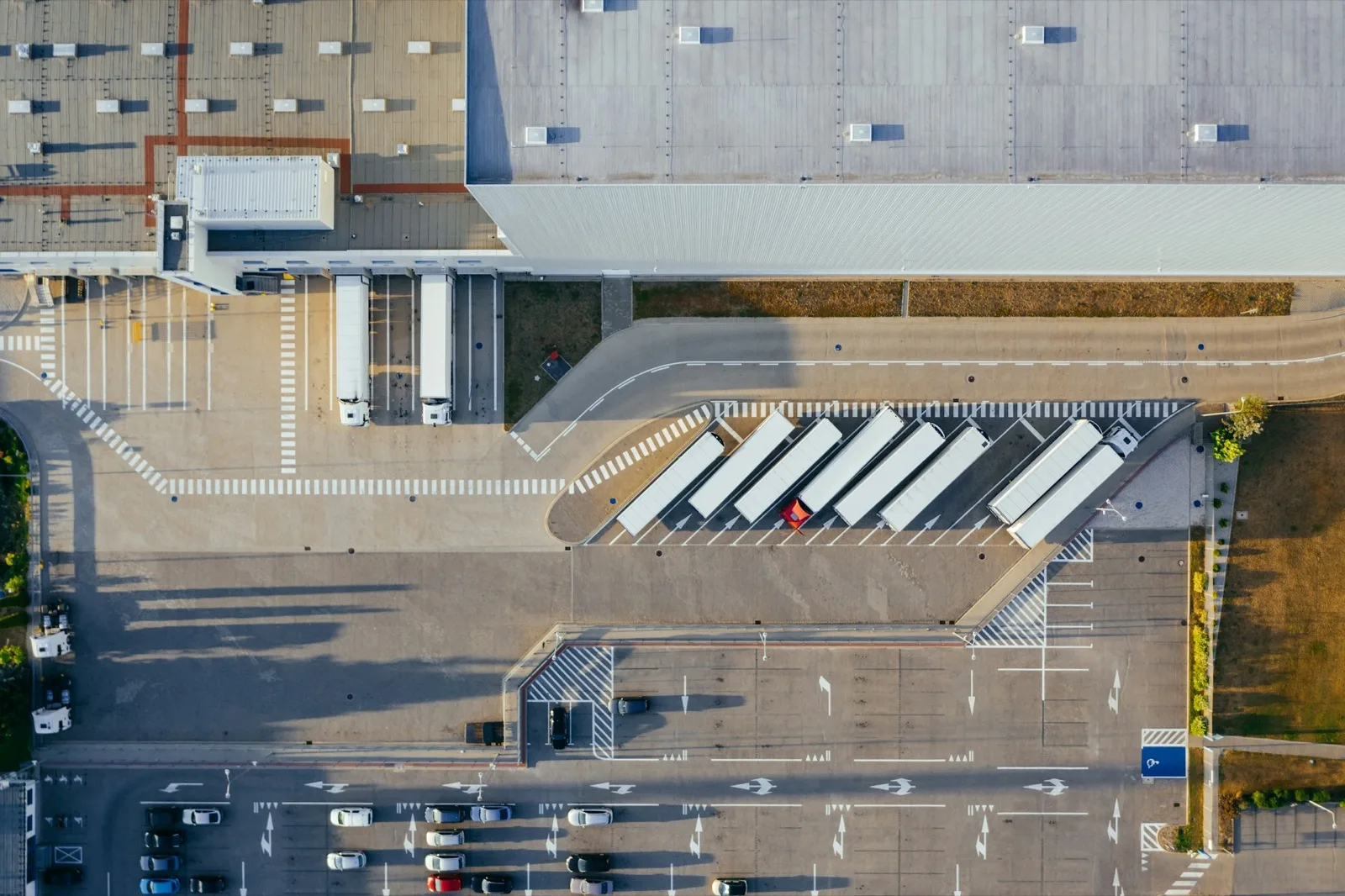
The technology
A list of items of any shape and size, and the space you need to fill. Nothing to model, nothing to place by hand.
The algorithm weighs thousands of possible configurations and returns the most effective one, in real time, in 3D, in the browser.
Weight and load distribution, fragility, stability, allowed rotations, access requirements. The plan has to survive contact with a real dock, not just look right on screen.
The engine itself is not new. It runs in production for self-storage operators today, where it generates around 20,000 3D plans a month against the same class of problem: irregular volumes, stacking order, weight limits, and what has to stay reachable.
The difference
Most tools are simulators: your team positions every item itself and the software only checks the result. SpaceStacker returns the arrangement, so there is nothing to drag into place.
The tools that do compute an arrangement generally assume every item is a rectangular box. SpaceStacker works with irregular shapes and mixed sizes.
Weight and load distribution, fragility, stability, allowed rotations, and what has to stay reachable. An arrangement that ignores those is a picture, not a loading plan.
Plan loads before anything is loaded. Your team sees which truck fits a job, how the load should be arranged, and whether one trip will do, before the vehicle leaves the yard. Every trip that goes out fuller is one trip you do not run, with the fuel, labor and CO2 that go with it.
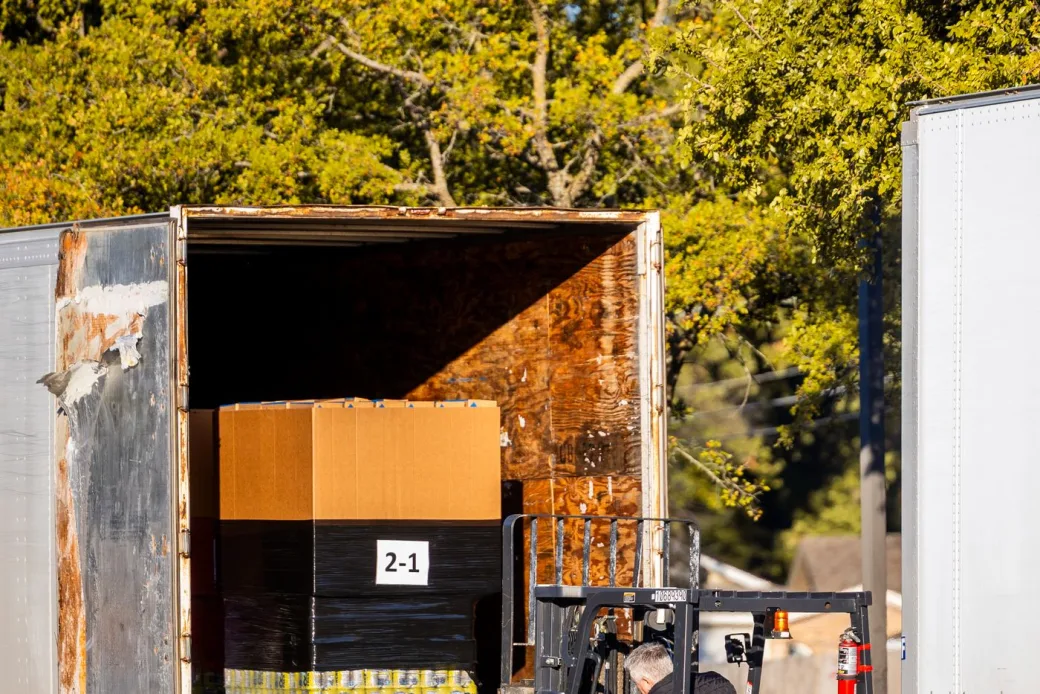
Fit more into every container. SpaceStacker recommends the arrangement that maximizes each container's volume while respecting weight distribution and stacking rules, and your team sees it in 3D before loading starts.
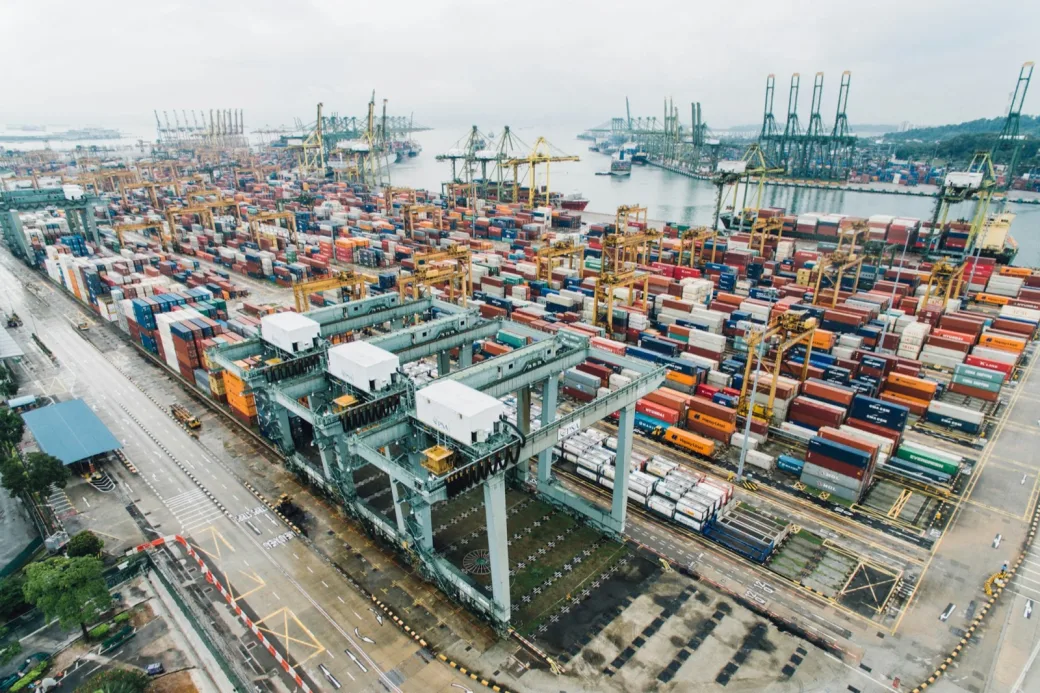
Build a pallet that uses every cubic centimeter. SpaceStacker arranges items on a pallet or inside a storage bay to maximize volume while keeping the load stable and within weight limits. Your warehouse team sees the plan in 3D before they start stacking.
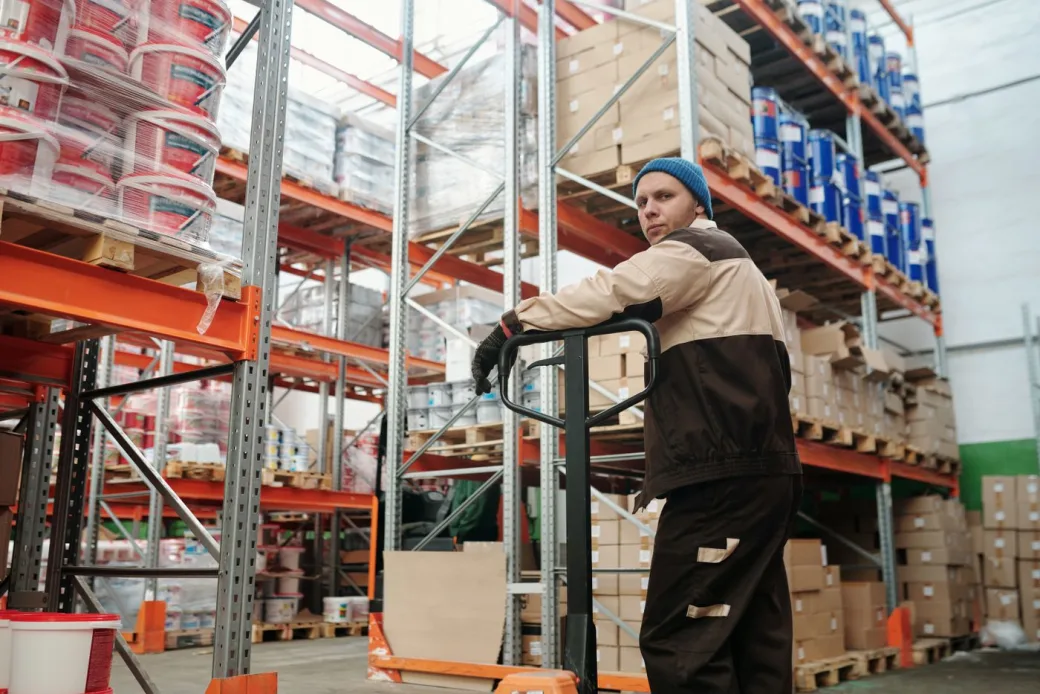
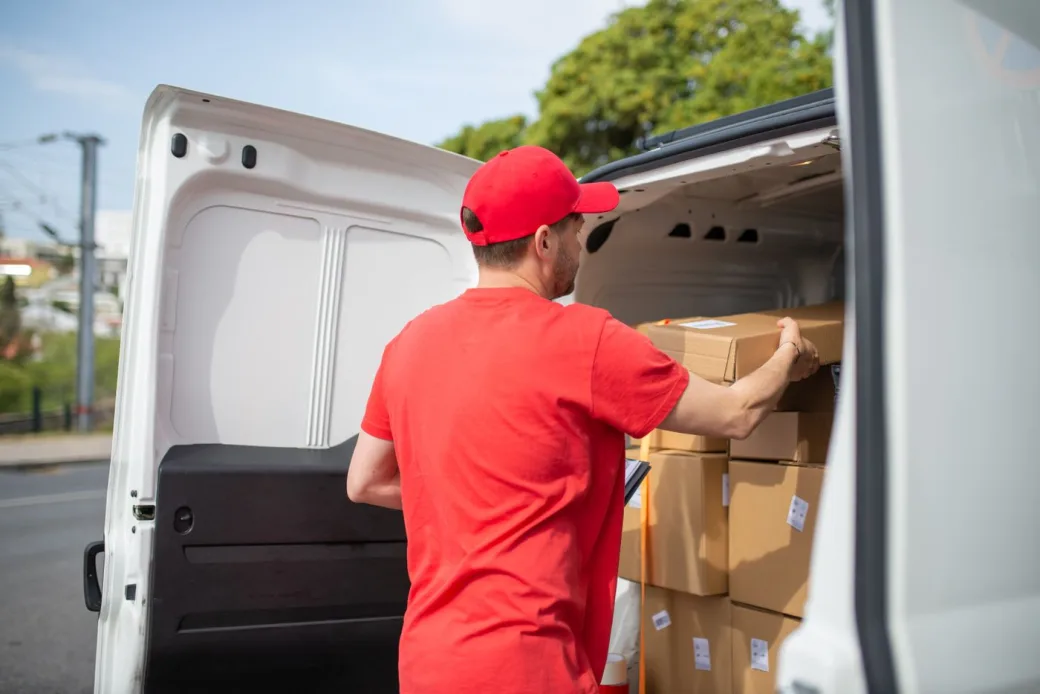
Right-size every shipment. SpaceStacker matches items to the smallest box or carton that fits, reducing filler material and dimensional weight charges. For delivery vehicles, it shows your team how to arrange the load to use the full volume, not just the floor.
The scope
The four cases above are examples, not a list of what is supported. The engine works from dimensions and constraints, so what the item is, and what it goes into, are yours to define.
Goods
Containers
What it changes
Every load that leaves fuller is a trip you do not run, with the fuel, the driver hours and the vehicle wear that go with it.
Better use of the fleet you already have, and fewer containers booked for the same volume of goods.
Fewer vehicle movements for the same freight, which is the part of your footprint you control directly.
Know what will actually fit before you quote a job, book a container, or put a vehicle on the schedule.
We are adapting the engine to trucks, containers and pallets with the operators who run them. If you move goods and want to stop shipping empty space, we want to hear how you load today.
Contact us about early accessBacked by